


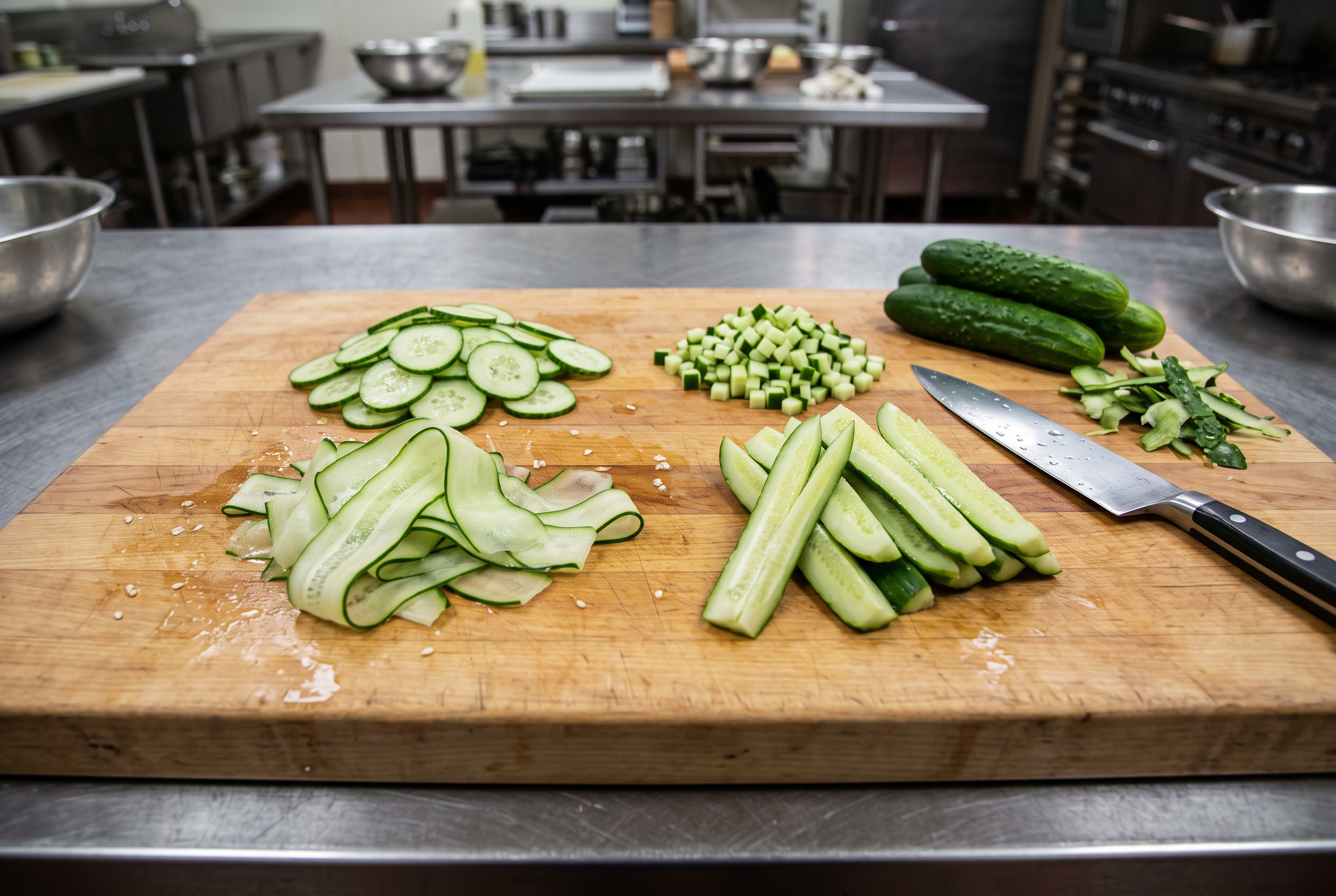
When it comes to professional kitchens, cutting techniques aren’t just about appearance — they influence consistency, efficiency, and the overall dining experience. Persian cucumbers, with their thin skin, crisp texture, and small seeds, are a versatile ingredient that can elevate menus across diverse cuisines. Choosing the right cutting technique for them can optimize your kitchen’s operations and transform this humble produce into a true culinary asset.
Why Persian Cucumbers Work Well in Professional Kitchens
Persian cucumbers are a staple in any professional kitchen because of their unique characteristics. Their thin, edible skin eliminates the need for peeling, while their small size and crisp texture make them easy to handle and prepare. Unlike other cucumber varieties, their minimal seeds reduce excess moisture, ensuring they maintain their texture across a wide range of dishes. These traits make Persian cucumbers a perfect fit for salads, grain bowls, appetizers, and even upscale garnishes, allowing chefs to add a touch of freshness and crunch to their menus without excessive prep work. Plus, their versatility ensures they’re just as suitable for fast-paced casual dining as they are for refined catering presentations or high-end restaurant concepts.
Four Essential Cutting Techniques for Persian Cucumbers
To maximize the culinary potential of Persian cucumbers, it’s essential to master a variety of cutting techniques tailored to specific dishes and service styles. Below are four techniques and their practical applications in professional kitchens.
Slicing
Slicing Persian cucumbers is a fundamental method that offers versatility across a variety of dishes. For salads, thin rounds add a clean crunch, while thicker rounds provide substance to sandwiches. Diagonal slices, on the other hand, add an elevated presentation for appetizers or garnishes. The key to consistent slicing lies in using a sharp knife or a mandoline slicer, ensuring uniform thickness that supports portion control and beautiful plating. Whether you’re adding texture to a fresh Greek salad or layering cucumber slices for an eye-catching appetizer, slicing is a practical technique fit for high-volume service.
Dicing
For dishes that require even ingredient distribution, such as chopped salads, salsas, or grain bowls, dicing offers precision and consistency. Uniform cubes of Persian cucumber are essential for creating balanced bites while enhancing portion accuracy. This technique also allows kitchens to make efficient use of the cucumber, as irregular pieces can be minimized. Use a steady chopping motion to ensure clean edges, and incorporate diced cucumbers into Mediterranean mezze platters, poke bowls, or innovative fusion recipes. Offering both functionality and flavor, dicing is a go-to method for professional chefs aiming for both speed and presentation.
Ribboning
Ribbons of Persian cucumber—thin, delicate strips achieved through a vegetable peeler or mandoline—are an elegant addition to upscale dishes. Whether used in salads, wraps, or as garnishes, ribboning enhances visual appeal and adds a signature touch. To maximize safety, ensure kitchen staff use protective gloves or a mandoline guard during preparation. This technique works well for menus that focus on light, refreshing dishes, such as cucumber ribbon wraps served with smoked salmon or as a striking garnish for crafted plates. Ribboning offers the opportunity to elevate simple dishes into standout presentations.
Spearing
Spearing involves cutting Persian cucumbers lengthwise into quarters or eighths to create convenient, snackable portions. This technique is ideal for crudité platters, catering displays, or pickling applications. By offering straightforward handling and consistent sizing, speared cucumbers work seamlessly in high-volume environments, such as buffet lines or cocktail hours. They’re also perfect for serving with dip options like hummus, tzatziki, or ranch dressing, bridging the gap between aesthetics and functional convenience for finger foods.
Choosing the Right Cut for Different Foodservice Applications
Selecting the appropriate cutting technique depends on the dish type, desired texture, and service style. Below is a comparison of cutting techniques to help chefs decide the best fit for their kitchens:
| Cut Technique | Best For | Texture | Preparation Speed | Portion Control |
|---|---|---|---|---|
| Slicing | Salads, garnishes, sandwiches | Crisp, light | Fast | Moderate |
| Dicing | Grain bowls, salsas, chopped salads | Firm, consistent | Moderate | High |
| Ribboning | Wraps, upscale salads, garnishes | Delicate, fresh | Moderate to slow | Low |
| Spearing | Crudité platters, dips, pickling | Crunchy, substantial | Fast | High |
Each technique shines in specific contexts, making it crucial for kitchens to balance operational needs and presentation goals.
Improving Kitchen Efficiency Through Consistent Preparation
Consistency is key in any professional kitchen, and standardized cutting techniques can improve both workflow and customer satisfaction. Investments in quality equipment, such as sharp chef knives, mandolines, and vegetable peelers, will ensure precise cuts and reduce variations that affect dish presentation. Organizing workstations for batch preparation and training staff on proper cutting methods helps improve speed, reduce waste, and maintain uniformity across dishes. Additionally, trimmings from cucumbers can be repurposed creatively, such as in chilled soups or infused beverages, minimizing waste while upholding sustainability.
Maintaining Freshness and Quality During Preparation
To ensure Persian cucumbers keep their texture and appearance after cutting, proper handling and storage are essential. Wash cucumbers thoroughly under cool water before cutting, and store pre-cut pieces in airtight containers in refrigeration to retain their crispness. However, preparing cucumbers too far in advance can lead to moisture loss, so consider cutting them as close to service as possible for optimal quality. Maintaining a reliable supply of fresh, high-quality cucumbers—like those from CRJ Produce—ensures your dishes always shine.
Looking To Buy Produce in Bulk? CRJ Produce Inc Can Help
No matter the season, CRJ Produce offers the fresh produce you need year-round. Contact us at info@crjproduceinc.com or fill out the form on our website to get in touch with our team or through our social media accounts (Facebook, Twitter, and LinkedIn)!. with our team. We look forward to supporting your business with fresh, reliable produce.